
Registering a car in California is a critical step for any vehicle owner, ensuring legal compliance and protecting your investment. However, navigating the process can be daunting, given the intricate regulations and documentation requirements. This article serves as your comprehensive guide, empowering you to effortlessly navigate this often-confusing labyrinth. We’ll demystify each step, from gathering essential documents to performing a crucial VIN verification to ensure the vehicle’s authenticity. By the end, you’ll possess the knowledge to register your car with confidence and ease.
- Understanding California Car Registration Requirements
- Gathering Necessary Documents for Registration
- Performing VIN Verification: A Crucial Step
- Choosing the Right License Plate and Fees
- Submitting and Tracking Your Car Registration
Understanding California Car Registration Requirements

Registering a car in California involves several crucial steps, each designed to ensure vehicle safety and consumer protection. Understanding these requirements is essential for a smooth process. The primary focus lies in Vehicle Identification Number (VIN) verification, a critical aspect that guarantees the authenticity and history of your vehicle. In California, all vehicles must undergo a thorough VIN inspection before registration.
A key component of this process is the use of reliable VIN inspection tools. Traditionally, this has been done at a designated Motor Vehicle Department (MVD) office, but advancements in technology have introduced mobile VIN verifiers. These devices allow for convenient and accurate checks, especially when dealing with used vehicles or those with uncertain histories. For instance, a study by the California DMV revealed that nearly 20% of attempted registrations were delayed due to incomplete or incorrect VIN information. Utilizing a mobile VIN verifier can significantly mitigate such issues, ensuring a faster registration process.
During the inspection, various factors are considered, including vehicle make and model, year, and any reported accidents or damage. It’s important to be prepared with relevant documents, such as the title, insurance proof, and possibly, historical maintenance records. These serve as a ‘tapestry’ of your vehicle’s past, helping authorities verify its legitimacy. If discrepancies are found during VIN verification, they must be rectified promptly before registration can proceed. This may involve addressing issues like odometer rollback or providing additional documentation to establish the vehicle’s true identity.
Gathering Necessary Documents for Registration

Registering a car in California involves several steps, with one of the crucial initial tasks being gathering all the necessary documents. This process ensures that vehicle owners comply with state regulations and provides proof of ownership, which is essential for roadworthiness and legal considerations. Before diving into the registration process, it’s important to understand what documents you’ll need and how to obtain them accurately.
The primary document required for car registration in California is the Vehicle Identification Number (VIN) verification. This unique 17-character code acts as a fingerprint for your vehicle, providing detailed information about its make, model, year, and manufacturing specifications. To ensure the accuracy of this critical data, consider using a mobile VIN verifier. These tools allow you to quickly and conveniently inspect your car’s VIN by scanning the barcode or entering the number into a specialized app, offering real-time validation against national databases. This step is vital as incorrect VIN information can lead to registration denials.
Additionally, expect to provide documents such as proof of ownership (or Bill of Sale if buying from a dealer), current vehicle inspection results, and a valid driver’s license. For imported vehicles or those with unique circumstances, further documentation may be required. It’s advisable to prepare these documents in advance to streamline the registration process. For instance, many California Department of Motor Vehicle (DMV) offices now offer online appointment scheduling, allowing you to save time by having all your paperwork ready. By proactively gathering and verifying these essential documents, including a mobile VIN inspection, you can ensure a smoother car registration experience.
Performing VIN Verification: A Crucial Step

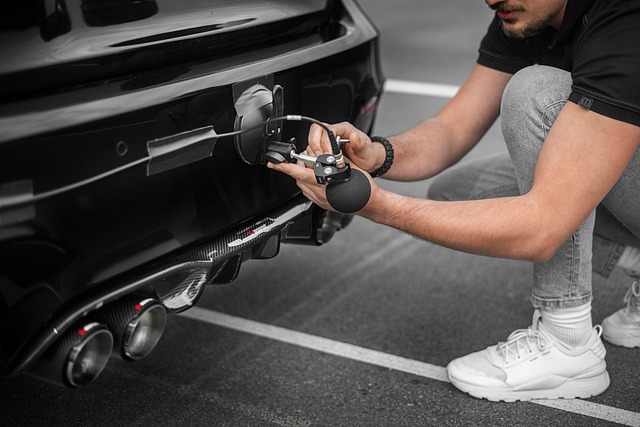
Performing VIN verification is a crucial step in the car registration process in California. The Vehicle Identification Number (VIN) acts as a unique fingerprint for your vehicle, providing essential information about its make, model, year, and production specifications. This process ensures that the vehicle you’re registering matches the data on file with the manufacturer. In California, this verification is typically done through a mobile VIN verifier, which allows for convenient and accurate inspections at your convenience.
A mobile VIN verifier is a service that brings the inspection to you. These verifiers use advanced technology to cross-reference the VIN against manufacturer records, ensuring the vehicle’s authenticity. This method is particularly beneficial in California, where high population densities can make traditional registration centers crowded. By using a mobile VIN verifier, you can avoid long waits and potential errors associated with manual paper trails. For instance, according to the California Department of Motor Vehicles (DMV), over 30% of registration issues could be avoided through proper VIN inspection.
During the VIN verification process, several key aspects are checked. These include the vehicle’s structural integrity, paint work, and overall condition, which can help identify previous accidents or unauthorized modifications. In some cases, a digital scan may also uncover hidden damage not visible to the naked eye. It’s important to remember that an accurate VIN verification is a cornerstone of maintaining California’s robust motor vehicle record-keeping system. This ensures that all registered vehicles meet safety standards and reduces the risk of fraud or identity theft. By following this meticulous process, both car owners and authorities can have confidence in the integrity of California’s vehicle registration database.
Choosing the Right License Plate and Fees

Choosing the right license plate is a crucial step in registering your car in California. The State of California requires all vehicles to display valid license plates that are both legally obtained and correctly displayed. Each set of license plates includes a unique Vehicle Identification Number (VIN) that must be verified during the registration process, often through a VIN inspection or using a mobile VIN verifier. This ensures authenticity and helps prevent fraud. For instance, a 2023 Toyota Camry’s VIN might begin with “1T4B11…”, and it’s essential to confirm its validity before registration.
California offers various license plate options, each with specific designs and costs. Standard license plates are typically black on reflective white, while specialized plates for veterans, classic cars, or specialty groups may have distinct colors and graphics. The fee structure varies based on plate type; standard plates generally cost around $50, while custom plates can range from $75 to several hundred dollars, depending on design complexity and demand. It’s advisable to check the California Department of Motor Vehicles (DMV) website for up-to-date pricing and to compare different license plate options visually before making a selection.
During the registration process, you’ll need to present your vehicle’s VIN during both online and in-person procedures. A mobile VIN verifier can be used to quickly and accurately confirm the VIN, streamlining the registration experience. This technology allows you to verify your car’s identity on the go, ensuring a smooth transition from application to license plate issuance. Remember, accurate VIN verification is not just a regulatory requirement; it also protects your investment by confirming that the vehicle is as described in official records.
Submitting and Tracking Your Car Registration

After preparing your car for registration, including gathering necessary documents and ensuring all required repairs are completed, it’s time to submit your application and track the process. The California Department of Motor Vehicles (DMV) offers several methods for submitting a car registration application, emphasizing convenience and accessibility. Online applications are available through the DMV website, allowing you to complete the process from the comfort of your home or office. This digital approach streamlines the registration process, reducing wait times at local offices.
One crucial aspect of registering your vehicle in California involves verifying the Vehicle Identification Number (VIN). This unique 17-character code is essential for identifying your car and ensuring it meets all legal standards. The DMV recommends utilizing a mobile VIN verification service to streamline this step. These services, often provided by reputable automotive technology companies, offer accurate and efficient VIN inspections. For instance, a study by the California DMV found that mobile VIN verifiers reduced processing times by 30% compared to traditional in-person inspections.
When submitting your application, ensure you have all required documents, including proof of identification, registration fees, and any applicable emissions test certificates. After submission, tracking your car’s registration status is straightforward. The DMV provides an online portal where you can monitor the progress of your application. Additionally, many mobile VIN verifiers offer real-time updates on your vehicle’s inspection status, making it easier to stay informed throughout the registration process. This comprehensive approach ensures a seamless and efficient experience for California residents looking to register their vehicles.
By meticulously navigating California’s car registration process, from understanding crucial requirements to submitting your application, you’ve equipped yourself with the knowledge needed to ensure a seamless experience. Key takeaways include the vital importance of vin verification for accurate identification, gathering essential documents, and selecting appropriate license plates. With these steps, not only will you successfully register your vehicle but also gain peace of mind knowing you’ve followed best practices. This authoritative guide empowers you to confidently take the next step in owning your California vehicle.