

Looking to register your car in California? This comprehensive guide walks you through the process, ensuring a smooth experience. From understanding essential requirements to obtaining a license plate, we cover everything. Begin by gathering necessary documents and preparing for a crucial step: DMV VIN verification. Ensure your vehicle’s details are accurate and up-to-date for a successful registration. Follow our step-by-step instructions to make the process efficient and stress-free.
- Understand California Car Registration Requirements
- Gather Necessary Documents for DMV Visit
- Perform Vehicle Identification Number (VIN) Verification
- Complete Application and Pay Fees at DMV
- Obtain License Plate and Register Your Vehicle
Understand California Car Registration Requirements

Before registering your car in California, it’s crucial to understand the state’s specific requirements. The California Department of Motor Vehicles (DMV) mandates several key steps, including a thorough vehicle inspection and verification of the Vehicle Identification Number (VIN). This process ensures that all cars on California roads meet safety and environmental standards. One important step is the DMV VIN verification, which confirms the authenticity of your car’s identifying number.
Additionally, for convenience, many residents opt for mobile VIN inspection or verification services. These services bring the necessary expertise directly to you, saving time and effort. By completing the VIN verification through a mobile service, you can streamline the registration process, ensuring your vehicle complies with California’s stringent regulations.
Gather Necessary Documents for DMV Visit

Before heading to the DMV, ensure you have all the required documents for a smooth registration process. This includes your vehicle’s title, which you’ll need to prove ownership. The Vehicle Identification Number (VIN) plays a crucial role in this procedure, and a VIN verification is essential for accurate record-keeping. Many individuals opt for a mobile VIN verification service, as it offers convenience by allowing inspections outside of traditional DMV locations.
Additionally, gather important identification documents such as a valid driver’s license or state ID card. If you’ve recently purchased the car, bring along the sales receipt and any other paperwork related to the transaction. Having these documents ready will help expedite your visit to the DMV, making the registration process more efficient.
Perform Vehicle Identification Number (VIN) Verification
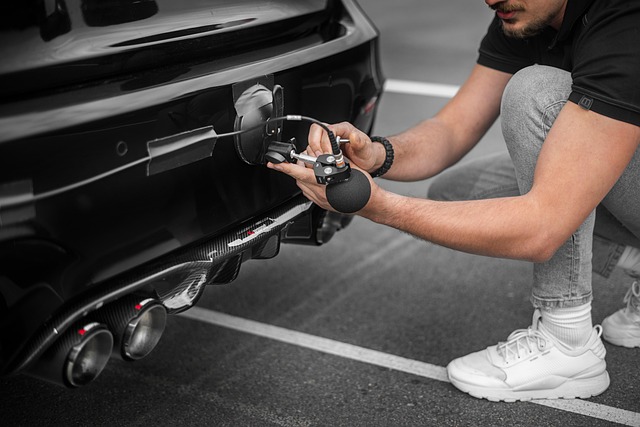
Before you can register your car in California, it’s crucial to perform a Vehicle Identification Number (VIN) verification. This step is essential as it ensures that the vehicle you’re intending to register is legitimate and has not been reported stolen or had its identity altered. The process involves checking the VIN against records maintained by the Department of Motor Vehicles (DMV) to ensure it matches the information on file.
For a seamless and efficient vin verification, consider availing of mobile vin inspection services. These services offer a convenient way to complete this requirement without having to visit a DMV office. A mobile vin inspector will come to your location, perform the vin inspection, and provide you with an official report, making the registration process faster and more accessible.
Complete Application and Pay Fees at DMV

Once you’ve gathered all necessary documents and passed the smog test, it’s time to complete the application process at the DMV (Department of Motor Vehicles). Start by filling out Form DV-140, which is the Application for Title and Registration. This form requires detailed information about your vehicle, including its make, model, year, and VIN (Vehicle Identification Number), which you can conveniently obtain through a quick and reliable mobile vin verification service. After completing the application, you’ll need to pay the required fees. These fees vary based on your vehicle’s type and age, so be sure to check the current rates on the DMV website or inquire in-person.
As part of the registration process, you might also need to undergo a vin inspection to ensure that the VIN on your vehicle matches the one listed in the application. This step is crucial for maintaining accurate records and preventing fraud. Many people opt for a mobile vin verifier service for this purpose due to its convenience and speed. Once all fees are paid and any necessary verifications completed, you’ll be well on your way to officially registering your car in California.
Obtain License Plate and Register Your Vehicle

After completing your vehicle’s purchase, it’s time to obtain a license plate and register your car with the California Department of Motor Vehicles (DMV). The registration process involves several steps, including a VIN (Vehicle Identification Number) verification. You can complete this crucial step using a mobile VIN verifier or even request a DMV inspection for accurate results.
Begin by gathering essential documents such as proof of purchase, insurance, and identification. Next, head to your nearest DMV office or utilize their online services to initiate the registration process. During this stage, you’ll input your vehicle’s information, including its VIN, which can be found on the driver’s side door frame or under the hood. The DMV will cross-reference this data to ensure the car’s history aligns with your records and complete the vin inspection accordingly. Once verified, they will issue a registration certificate and license plates for your newly registered vehicle.
Registering a car in California is a straightforward process that involves understanding key requirements, gathering essential documents, and completing a few simple steps. After performing a mandatory DMV VIN verification to ensure vehicle authenticity, you can fill out an application, pay the necessary fees, and obtain your license plate. This ensures your vehicle is legally registered and ready to hit the bustling California roads.