

Registering a car in California is a crucial step for any new vehicle owner, ensuring legal compliance and access to roads. However, navigating the process can be challenging, with numerous requirements and paperwork involved. This comprehensive guide aims to demystify the car registration procedure, offering expert insights on every step. From gathering essential documents to understanding fees and even utilizing a DMV VIN verifier, we’ll ensure you’re well-prepared. By the end, you’ll have a clear path to completing your vehicle’s registration smoothly and efficiently.
- Prepare Necessary Documents for Car Registration
- Visit California DMV: Step-by-Step Guide
- Verify Vehicle Identification Number (VIN) with DMV
- Complete the Registration Application Form Accurately
- Pay Registration Fees and Receive Your Certificate
Prepare Necessary Documents for Car Registration

Before you can register your car in California, you’ll need to gather a specific set of documents and ensure key details are accurate. This process is crucial for a smooth registration experience, avoiding potential delays or issues down the line. One vital step involves verifying the Vehicle Identification Number (VIN), which can be efficiently accomplished using a DMV VIN verifier or even a mobile VIN verifier app. These tools help cross-reference your car’s VIN with state records to ensure it’s not stolen or has any outstanding issues.
For instance, California requires you to present a valid title, registration receipt, and current vehicle inspection report when registering a car. The VIN plays a central role in this process as it uniquely identifies your vehicle, enabling DMV staff to quickly verify its history. Using a mobile VIN verification service can streamline this step by providing instant access to detailed information about the car’s past, including ownership records, accident history, and outstanding loans. This is particularly beneficial when buying a used car from an individual, ensuring you’re not left with unexpected problems.
Additionally, some counties in California offer the option of conducting a VIN inspection 1-2 times per year to confirm that your vehicle remains in safe operating condition. Staying current with these inspections is crucial for maintaining legal compliance and can be easily arranged through designated inspection stations. By proactively preparing these documents and leveraging available tools like mobile VIN verifiers, you’ll significantly enhance the efficiency of registering your car in California.
Visit California DMV: Step-by-Step Guide
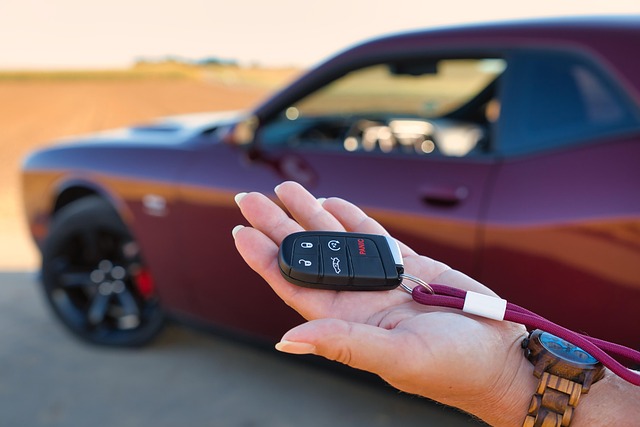
To register your car in California, visiting the Department of Motor Vehicles (DMV) is a crucial step. This guide will walk you through the process, ensuring a smooth experience. Begin by gathering all necessary documents, including your vehicle’s registration from the previous state, proof of insurance, and identification such as a driver’s license or passport. Next, navigate to your local California DMV office or consider using their online services for convenience. On arrival, locate the dedicated window for vehicle registration, where staff will guide you through the process.
A key aspect of this procedure involves the verification of your Vehicle Identification Number (VIN). The DMV employs a sophisticated dmv vin verifier to ensure the accuracy of the VIN, a unique identifier for your car. This step is critical for security and safety reasons, helping to prevent fraud and ensuring only legitimate vehicles are registered. You may opt for a traditional in-person inspection or leverage modern alternatives like mobile vin verification services. These mobile solutions allow you to obtain a VIN inspection remotely, streamlining the process further.
During your visit, be prepared to answer questions about your vehicle’s history and ownership. The DMV will assess any fees associated with registration, emissions testing, and potential title transfers. Once all requirements are met and verifications complete, including successful mobile vin inspection if chosen, you’ll receive your new California vehicle registration documents. This process typically takes around 30 minutes to an hour, depending on office volume. Remembering these steps will facilitate a seamless car registration experience in the Golden State.
Verify Vehicle Identification Number (VIN) with DMV

Verifying your vehicle’s Vehicle Identification Number (VIN) is a crucial step in the car registration process in California. It ensures that your vehicle meets all legal requirements before it can be licensed and titled. This involves matching the VIN with the data on record at the Department of Motor Vehicles (DMV) to confirm authenticity and prevent fraud. Many individuals opt for a mobile VIN verification service, as it offers convenience and speed compared to traditional methods.
A reliable mobile VIN verifier acts as a bridge between you and the DMV, providing instant access to vehicle history reports. This technology scans your car’s unique 17-character VIN and cross-references it with vast databases to deliver accurate information in real time. For instance, these verifiers can reveal details such as original manufacturing specifications, ownership history, accident records, and outstanding recalls, all of which are essential for a complete vehicle inspection.
When conducting a mobile VIN inspection, ensure that the service provider is reputable and uses up-to-date technology. This is crucial because some less trustworthy services may offer manipulated or inaccurate data, which can have legal repercussions. Reputable mobile VIN verifiers typically provide transparent pricing structures and secure data handling practices, ensuring your privacy. By leveraging these tools, you can streamline the registration process, avoiding potential delays or issues with the DMV.
Complete the Registration Application Form Accurately

Completing the Registration Application Form accurately is a crucial step when registering your car in California. This form, typically provided by the Department of Motor Vehicles (DMV), requires meticulous attention to detail as it serves as a legal document. Ensure that all information, from your personal data to the vehicle’s specifications, is entered precisely. A common pitfall is misreading or mistyping the Vehicle Identification Number (VIN). Here, using a DMV VIN verifier, whether in-person or through a mobile vin verifier app, can significantly aid in this process by confirming the VIN’s accuracy and preventing future issues.
For instance, consider a scenario where an individual types in a slightly altered version of the VIN due to misreading it. This could lead to registration delays or even rejection if the vehicle history checks out poorly. A mobile vin verification service can cross-reference this number against state records and certified databases, ensuring that what you’ve entered matches exactly with the registered data. It’s advisable to use these tools, especially for older vehicles or those with complex ownership histories, as a double-check mechanism.
Some key elements on the form include vehicle make, model, year, and color—all of which must match the VIN record. Additionally, personal details like your full name, address, and date of birth must be entered correctly to avoid discrepancies. Remember, even minor errors can prolong the registration process. Utilizing a mobile vin inspection app at the outset can save you valuable time and potential headaches later on.
Moreover, California’s DMV offers a digital registration process for eligible vehicles, streamlining the experience. However, regardless of whether you’re going digital or filling out a paper form, meticulous attention to detail is paramount. This includes verifying that the vehicle’s current mileage aligns with what’s shown on the odometer reading and ensuring all listed drivers have valid licenses. A thorough pre-registration VIN inspection using mobile tools can help catch any potential issues before submitting your application.
Pay Registration Fees and Receive Your Certificate

To complete the registration process in California, you’ll need to pay the required registration fees. The California Department of Motor Vehicles (DMV) outlines these fees based on your vehicle’s type and age. You can pay online, by phone, or at a DMV office using cash, credit/debit card, or check. Once your payment is processed, the DMV will issue your Certificate of Registration. This document verifies that your car is legally registered and insured in California.
A crucial step before registration is ensuring your vehicle’s Vehicle Identification Number (VIN) is accurate. The DMV offers a VIN verifier, either online or through a mobile app, to check the VIN’s validity and history. Using a mobile VIN verifier, such as an app that performs a mobile VIN inspection, allows you to verify your car’s information quickly and easily from the comfort of your home or on-the-go. This is particularly beneficial for those with busy schedules or limited mobility.
Many vehicles manufactured after 1980 will have no issues passing this verification process. However, older or imported cars may require additional documentation to prove they meet California’s safety and emission standards. If any discrepancies are found during the VIN inspection, you’ll be notified before registration can proceed. This proactive approach ensures a smooth registration experience by addressing potential issues early on.
By meticulously preparing the required documents, following a structured approach during your visit to the California DMV, ensuring the accuracy of your application form, and finalizing with payment and receipt of your certificate, you’ve successfully navigated the car registration process. The key takeaway is that proper documentation, including the verification of the Vehicle Identification Number (VIN) using a trusted dmv vin verifier, is paramount for a seamless experience. This article has provided an authoritative guide, equipping readers with the knowledge to confidently register their vehicles in California and ensuring a smooth journey ahead.