

Registering a car in California is a vital process ensuring vehicle ownership rights, road safety, and compliance with state laws. However, navigating the requirements can be complex, especially given the intricate procedures and documentation needed. This article serves as your authoritative guide to demystifying the car registration process in California. We’ll walk you through each step, from gathering essential documents to utilizing reliable tools like the DMV VIN verifier to ensure a seamless and stress-free experience. By following these expert tips, you’ll be well-prepared to register your vehicle with confidence.
- Gather Necessary Documents for Car Registration
- Prepare Your Vehicle's VIN (DMV Vin Verifier)
- Visit a California DMV Office or Use Online Services
- Complete the Registration Application Form Accurately
- Pay the Required Fees and Receive Your License Plate
Gather Necessary Documents for Car Registration

Registering a car in California involves several steps, and one of the most crucial aspects is gathering all the necessary documents. Before you begin the registration process, ensure you have the following key documentation ready. Your vehicle’s registration will be denied if any required forms are missing or incomplete, so it’s essential to double-check your records. Start by obtaining a valid driver’s license or ID card from the California Department of Motor Vehicles (DMV). Additionally, gather proof of insurance, which is mandatory for all vehicles in the state. This documentation confirms that you have financial responsibility should an accident occur.
One critical document that often requires special attention is the Vehicle Identification Number (VIN) verification. The DMV offers a VIN verifier to ensure the vehicle’s identity and history are accurate. You can use this service online or through their mobile app, providing a quick and convenient way to verify the VIN, especially for out-of-state purchases. Alternatively, many professional mobile VIN inspection services are available, allowing you to get the necessary verification from the comfort of your home. These services employ specialized tools to pull vehicle history reports, offering peace of mind when purchasing or registering a used car.
Other essential documents include proof of ownership, which can be a title, bill of sale, or manufacturer’s certificate of origin (MCO). For vehicles that are over 10 years old, you may also need an emissions test report. It’s advisable to check with your local DMV office for specific requirements as some areas have additional guidelines. By ensuring these documents are in order, you’ll streamline the car registration process and avoid potential delays or complications.
Prepare Your Vehicle's VIN (DMV Vin Verifier)
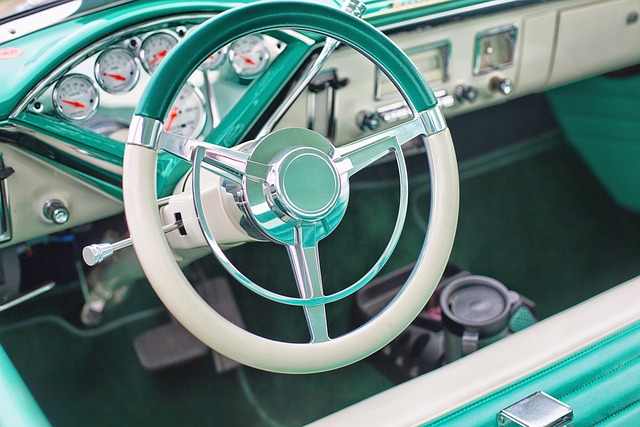
Before registering your car in California, it’s crucial to ensure your vehicle passes all necessary inspections, starting with verifying its Vehicle Identification Number (VIN). The DMV offers a convenient tool called the DMV Vin Verifier that allows you to cross-reference your VIN online to check for any discrepancies or theft reports. This step is essential as California law mandates that vehicles must undergo a mobile vin inspection or a comprehensive physical examination to be eligible for registration.
Using the DMV Vin Verifier, simply enter your vehicle’s 17-character VIN into their system. The tool will then query multiple databases, including the National Motor Vehicle Title Information System (NMVTIS), to verify the vehicle’s history. This process helps identify any title issues or signs of previous damage that could impact your car’s safety and roadworthiness. For instance, a search might reveal a historical accident report, indicating that the car needs repairs before it can be legally registered.
To streamline the process, consider utilizing mobile vin inspection services. These professional services bring the verification to you, ensuring convenience and saving you valuable time. They employ specialized equipment to perform real-time VIN inspections, comparable to what the DMV offers but with potentially faster turnaround times. This is particularly beneficial for residents in remote areas or those with busy schedules. By leveraging these mobile vin verifier options, you can efficiently prepare your vehicle for California registration.
Visit a California DMV Office or Use Online Services

Registering a car in California involves a straightforward process, offering both in-person and digital options for convenience. One of the key steps is ensuring accurate Vehicle Identification Number (VIN) verification, which can be easily accomplished through the California Department of Motor Vehicles (DMV). Visiting a local DMV office or utilizing their online services are effective methods to initiate this crucial aspect of vehicle registration.
For those who prefer a more traditional approach, heading to a nearby DMV branch is a direct method. Here, you’ll interact with knowledgeable staff who can guide you through the process. They employ specialized tools for VIN inspection, ensuring every detail aligns with the vehicle’s history and specifications. This in-person verification includes a physical check of the VIN plate, commonly located on the driver’s side door or engine bay. It’s an opportunity to cross-reference the provided information against official records, providing peace of mind before proceeding with registration.
In today’s digital age, many DMV services, including VIN verification, are accessible online. The California DMV offers a convenient mobile vin verifier application, allowing users to complete the process from the comfort of their homes. This innovative service enables customers to transmit their VIN data for inspection, reducing the time typically spent at a physical location. Mobile vin verification has gained popularity due to its efficiency, especially in regions with high vehicle registration volumes. By utilizing this method, you can save time and avoid potential waiting periods associated with traditional in-person visits.
It’s essential to remember that maintaining accurate VIN records is vital for both legal compliance and vehicle resale value. Regular vin inspection, whether through a mobile verifier or during an in-person visit, ensures your car’s history remains intact. This practice not only facilitates smoother registration processes but also safeguards against potential issues related to vehicle ownership documentation.
Complete the Registration Application Form Accurately

Registering a car in California involves completing essential paperwork, including the Registration Application Form. Accurately filling out this form is crucial for a seamless process and smooth ownership transition. Begin by ensuring all vehicle information is correct, such as make, model, year, and VIN (Vehicle Identification Number). Any errors or discrepancies can delay registration, so double-check each detail. The California DMV offers a convenient mobile VIN verifier tool that allows you to confirm the VIN’s accuracy from the comfort of your home, making this initial step straightforward.
For instance, if you’re registering a classic car, cross-referencing the VIN with historical records can be vital. Here, a mobile VIN verification service can assist by providing instant access to detailed vehicle history reports, including previous owners and maintenance records. This ensures that all information on the application form is legitimate and accurate. Once the VIN is confirmed, proceed with detailing the ownership transfer, insurance details, and any applicable fees.
A common pitfall is omitting or misrepresenting information, which can lead to legal issues later. Therefore, carefully review each section, especially when updating title and registration for a used car. Using a mobile VIN verifier before submitting the form enhances accuracy and saves time by identifying potential errors early in the process. This attention to detail will contribute to a successful registration experience.
Pay the Required Fees and Receive Your License Plate

After completing your vehicle’s registration application at the California Department of Motor Vehicles (DMV), the next step is to pay the required fees and receive your license plate. This crucial phase involves several key elements. First, you’ll be responsible for paying the base registration fee, which varies based on your vehicle’s type and emissions status. Additionally, a separate fee is charged for each set of license plates needed, usually one front and one rear plate. These costs can be paid online or in-person at any DMV field office.
Once your payment is processed, you’ll receive an official confirmation of registration along with the physical license plates. Before mounting these plates on your vehicle, ensure they match the Vehicle Identification Number (VIN) verifier records through a mobile VIN verification or inspection. This step is vital to confirm that the plates assigned to your car are legitimate and correctly associated with your specific vehicle. Many DMV locations offer both in-person and mobile VIN inspection services for added convenience.
For instance, in 2022, California’s average registration fee ranged from $47 to $178, depending on the vehicle category. It’s advisable to check for any additional fees or discounts that might apply to your particular situation, such as early renewal or senior citizen reductions. By completing these tasks diligently, you’ll ensure a smooth licensing process and hit the road with confidence, knowing your vehicle is properly registered and identified.
Registering a car in California involves several straightforward steps, from gathering essential documents to completing an application form. The key insights are clear: ensure you have all necessary paperwork, prepare your vehicle’s VIN using a DMV Vin Verifier, and either visit a DMV office or utilize online services for convenience. Accurate completion of the registration form and payment of fees will result in your license plate issuance. By following these steps diligently, you’ll efficiently navigate the car registration process, ensuring your vehicle is legally recognized on California roads. Remember, proper documentation and adherence to procedures are vital for a seamless experience with the DMV Vin Verifier playing a crucial role in verifying your vehicle’s identity.