

Registering a car in California is a crucial step for any new owner, ensuring legal compliance and facilitating seamless operation on state roads. However, navigating the process can be daunting, with its intricate steps and paperwork. This comprehensive guide aims to demystify the entire procedure, equipping you with the knowledge to register your vehicle smoothly and accurately. We’ll delve into every aspect, from gathering essential documents to utilizing reliable VIN verifier tools, ensuring a stress-free experience that complies with California’s strict regulations.
- Prepare Necessary Documents for Car Registration
- Verify Vehicle's VIN with California's System
- Choose a Registration Method: In-Person or Online
- Pay the Required Fees for Car Registration
- Receive and Keep Your Vehicle's Registration Documents
Prepare Necessary Documents for Car Registration

Registering a car in California involves several crucial steps, and one of the most critical is preparing the necessary documents for car registration. This process ensures that your vehicle complies with state regulations before hitting the open road. Among these requirements, verifying the Vehicle Identification Number (VIN) through a reliable method like a mobile VIN verifier or inspection stands out as an indispensable step.
For California residents, obtaining accurate and up-to-date vehicle history is essential. A mobile VIN inspection tool can provide detailed information about a car’s past, including ownership records, accident reports, and maintenance histories. This data is critical when preparing the required documents. For instance, if your car has been in one or more accidents, this information should be accurately reflected on the registration application to avoid potential issues later. The California Department of Motor Vehicles (DMV) offers a comprehensive guide outlining all necessary paperwork, emphasizing the importance of each document for a successful registration.
Additionally, having accessible and accurate records can expedite the registration process. Many mobile VIN verifiers not only provide essential vehicle data but also offer digital storage options for important documents. This streamlined approach ensures that you’re prepared with all required papers when visiting a California DMV office. For example, if you’ve recently purchased a used car, ensuring your title, bill of sale, and any relevant repair or service records are ready can significantly enhance the efficiency of the registration process. By combining thorough VIN inspections with well-organized documentation, California residents can navigate the registration process with confidence, ensuring their vehicles meet all legal standards.
Verify Vehicle's VIN with California's System
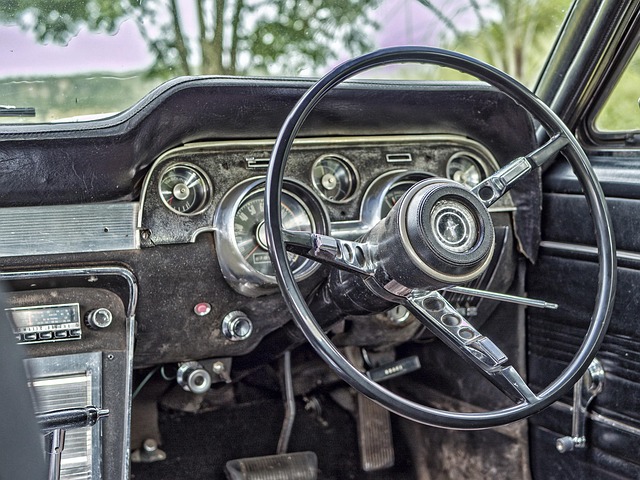
Verifying a vehicle’s Vehicle Identification Number (VIN) is a critical step when registering your car in California. This process ensures that the vehicle matches the details listed on the registration documents and helps protect against fraud. The state of California offers a streamlined system for VIN verification, allowing you to confirm the vehicle’s authenticity with ease. One convenient method is through mobile VIN inspection or mobile VIN verification services, which can be done right from your smartphone.
To start, you’ll need to access California’s official online tool designed for VIN verifier. This platform enables you to input your vehicle’s unique 17-character VIN and retrieve valuable information in seconds. The system will cross-reference the data with its extensive database, confirming the make, model, year, and other specifications of your car. For instance, it can help identify any recalls or defects associated with that specific VIN, ensuring your vehicle meets safety standards. This initial verification is a crucial first step before proceeding with registration.
If you prefer a more hands-on approach, mobile VIN inspection apps provide an alternative. These applications allow you to scan the VIN using your device’s camera, which then feeds the data into a comprehensive database for analysis. This method offers flexibility and can be particularly useful if you’re preparing to sell or transfer ownership. By ensuring the VIN is legitimate and accurate, you safeguard against potential issues during the registration process, making it a smart and efficient practice before committing to California’s vehicle registration procedures.
Choose a Registration Method: In-Person or Online

Choosing between an in-person or online registration method is a crucial step in the car registration process in California. Both options have their advantages, making it possible for you to select the one that best suits your needs and schedule. If you prefer a more traditional approach, visiting a California Department of Motor Vehicles (DMV) office is the in-person registration route. This method allows you to complete the registration process face-to-face with a DMV representative who can assist you and answer any questions. It’s ideal for those who need immediate assistance or have complex issues that require manual input.
On the other hand, online registration offers a convenient digital alternative. Using the California DMV’s official website, you can complete your car registration from the comfort of your home or anywhere with internet access. This method involves several steps, including verifying your Vehicle Identification Number (VIN) using an approved VIN verifier, such as a mobile VIN verifier or online services that perform VIN inspection. For instance, many mobile apps offer remote VIN verification, making it easy to ensure your vehicle’s information is accurate before proceeding with registration. Online registration is suitable for tech-savvy individuals who prefer a paperless process and want to save time by avoiding visits to the DMV.
Considerations for choosing between these methods hinge on factors like your familiarity with technology, available time, and personal preferences. If you’re comfortable navigating online platforms and have access to necessary documents and tools, including a mobile VIN verifier, online registration can be swift and efficient. However, if you’d feel more secure or prefer personalized assistance, in-person registration ensures direct interaction with DMV staff. Ultimately, selecting the right method enhances your overall experience, ensuring a smooth car registration process in California.
Pay the Required Fees for Car Registration

Registering a car in California involves several steps, and one crucial aspect is paying the required fees for car registration. These fees vary based on factors such as the type of vehicle, age, and emissions standards met. It’s essential to have your Vehicle Identification Number (VIN) verified before proceeding with the registration process. Utilize a mobile VIN verifier or conduct a VIN inspection to ensure your vehicle meets all legal requirements. This step is vital as it helps verify ownership and ensures your car complies with California’s safety and environmental standards.
When paying for registration, you’ll typically encounter two primary fee categories: registration fees and emissions testing costs. Registration fees are based on the type of vehicle; for instance, passenger cars usually have a standard fee, while motorcycles or commercial vehicles may have distinct charges. In addition to these base fees, California offers various discounts and exemptions for specific groups, such as senior citizens or individuals with low incomes, further reducing the overall cost.
Emissions testing is another critical component, especially in urban areas where air quality regulations are stringent. Mobile VIN verifiers can play a significant role here by facilitating quick and accurate inspections. These tools enable California’s Department of Motor Vehicles (DMV) inspectors to cross-reference your vehicle’s VIN with their databases, confirming compliance with emission standards. This streamlined process not only saves time but also enhances the overall efficiency of the registration procedure.
Receive and Keep Your Vehicle's Registration Documents

Receiving and keeping your vehicle’s registration documents is a crucial step in the car registration process in California. After completing the necessary paperwork at the Department of Motor Vehicles (DMV), you’ll be issued official registration documents that must be kept with your vehicle at all times. These include the Registration Certificate, which proves ownership, and the Notice of Privacy Rights, which outlines how your information is protected.
It’s essential to store these documents securely in your vehicle, such as in a dedicated folder or case, to ensure easy access when needed. Additionally, consider making digital copies for safekeeping, especially through a reliable mobile vin inspection or mobile vin verification service. This redundancy ensures that you have proof of registration even if the physical documents are lost or damaged.
For instance, many car owners opt for a mobile vin inspection service, which not only verifies vehicle ownership through the unique Vehicle Identification Number (VIN) but also provides digital documentation. This practice is especially beneficial during frequent inspections or when traveling, as it streamlines the process and minimizes the risk of losing critical paperwork. By combining traditional registration with mobile verification methods, California car owners can stay compliant and enjoy peace of mind.
By meticulously preparing the necessary documents, verifying your vehicle’s VIN with California’s system, and choosing between in-person or online registration, you can efficiently register your car. It’s crucial to understand that the Vehicle Identification Number (VIN) verifier plays a key role in this process, ensuring accuracy and security. After paying the required fees, it’s essential to receive and keep your vehicle’s registration documents for future reference. Following these steps, as outlined in this authoritative guide, you can ensure a smooth car registration process in California.