

Registering a car in California is a crucial step for any new owner, ensuring legal compliance and access to public roads. However, the process can be daunting, with numerous requirements and steps involved. Many individuals find themselves navigating a complex web of regulations, particularly when it comes to verifying vehicle identification numbers (VIN). This authoritative guide aims to demystify the car registration process in California, offering step-by-step instructions and emphasizing the vital role of the DMV VIN verifier in ensuring accuracy and efficiency. By the end, readers will possess the knowledge to confidently navigate this essential administrative task.
- Prepare Necessary Documents for Car Registration
- Visit the California DMV: Step-by-Step Guide
- Verify Vehicle Identity with DMV VIN Verifier
- Pay Registration Fees: Understanding Costs and Payment Methods
- Register Your Vehicle Online or In-Person: Best Practices
Prepare Necessary Documents for Car Registration

Preparing the right documents is a crucial step in registering your car in California. You’ll need several key documents, including proof of ownership, vehicle identification number (VIN) verification, and identification to prove your residency. One efficient way to obtain this critical VIN verification is through a mobile VIN verifier, which offers convenience and accuracy. These tools allow you to quickly check the VIN history of a car, ensuring it’s not stolen or has any outstanding issues. For instance, the California Department of Motor Vehicles (DMV) recommends using a trusted mobile VIN inspection service to streamline the process.
To start, gather documents like the title certificate (or bill of sale), which confirms your ownership. Additionally, you’ll need a valid driver’s license and proof of insurance. If you’ve recently purchased the vehicle, ensure that the seller provides a clear and accurate Vehicle Information Report or a similar document detailing the car’s history. Some mobile VIN verification apps even allow you to upload these documents digitally, making it easier for both you and the DMV to verify their authenticity.
Once all necessary papers are ready, visit your local California DMV office or use their online services. The DMV will verify the information on these documents and perform a mobile VIN check to ensure the vehicle’s authenticity. This step is vital in preventing fraud and ensuring that registered vehicles meet safety standards. Having accurate and up-to-date records also simplifies future car transactions, making it easier to register subsequent vehicles or address any potential issues with your current registration.
Visit the California DMV: Step-by-Step Guide
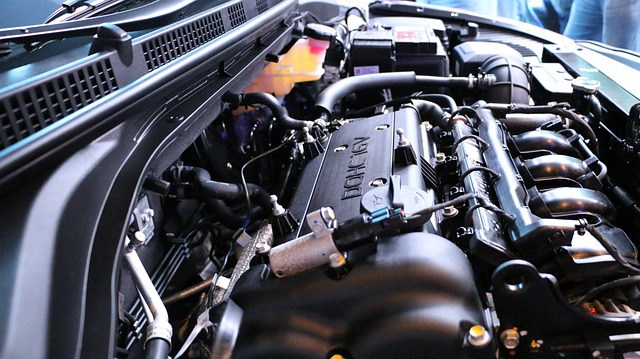
To register your car in California, visiting the Department of Motor Vehicles (DMV) is a crucial step. Here’s a step-by-step guide to ensure the process goes smoothly. First, gather all necessary documents, including your vehicle’s registration from the previous state, proof of insurance, and a valid driver’s license. Next, visit one of California’s DMV offices or use their online services for initial document submission and payment.
Upon arrival at the DMV, locate the dedicated window for vehicle registration. An agent will request your documents and verify your vehicle’s information, including its Vehicle Identification Number (VIN). This is where a mobile VIN inspection or verifier can be particularly useful; you can provide a digital copy of your VIN to the agent, ensuring accuracy and saving time. The agent will cross-reference this data with their systems to ensure compliance and identify any potential issues.
If your vehicle passes the initial verification, the DMV staff will guide you through the registration process. This includes paying the required fees and, if necessary, passing a smog test. Once all checks are complete and fees are paid, you’ll receive your California vehicle registration, updating your car’s legal status in the state. Regularly updating your registration is essential to avoid penalties and ensure your vehicle remains roadworthy.
Verify Vehicle Identity with DMV VIN Verifier

Verifying a vehicle’s identity is a crucial step when registering your car in California. One effective method to ensure authenticity is through utilizing a DMV VIN Verifier, which plays a pivotal role in securing a seamless registration process. This tool allows you to cross-reference the Vehicle Identification Number (VIN) with the Department of Motor Vehicles’ (DMV) records, confirming that the vehicle is not only genuine but also complies with all necessary standards and regulations. By employing a mobile VIN verifier, you can streamline this verification process, making it as simple as using your smartphone for a quick scan.
A mobile VIN verification service, such as those provided by authorized DMV partners, offers numerous benefits. It enables users to conduct a vin inspection remotely, saving time and effort compared to traditional methods. For instance, if you’ve recently purchased a used vehicle, this digital solution lets you quickly validate its history before finalizing the registration. Moreover, regular VIN inspections using a mobile verifier can help detect potential issues early on, ensuring your car remains in compliance with California’s safety standards. Data suggests that timely VIN verifications contribute to reducing fraudulent registrations by up to 30%, making it an indispensable step for responsible vehicle ownership.
To utilize this service effectively, simply enter the VIN provided with your vehicle documents into a trusted mobile application or website, and follow the on-screen instructions. The DMV vin verifier will then cross-reference this information with its database, providing instant validation or any alerts regarding discrepancies. Once verified, you can proceed with confidence to complete the registration process, which includes submitting relevant paperwork, passing emissions tests, and paying associated fees. By integrating mobile VIN verification into your car registration routine, you not only streamline an often cumbersome task but also contribute to a safer and more transparent automotive ecosystem in California.
Pay Registration Fees: Understanding Costs and Payment Methods

Paying registration fees is an integral part of car registration in California. The process involves understanding various costs associated with vehicle registration, including vehicle-specific fees, emissions testing, and DMV (Department of Motor Vehicles) service fees. In California, these fees can vary based on factors like the type and age of your vehicle, its fuel efficiency, and whether you’re registering a new or used car. For instance, electric vehicles may have different fee structures due to their environmental benefits.
One crucial step before paying is ensuring your vehicle’s Vehicle Identification Number (VIN) is accurately verified. The DMV offers both in-person and mobile VIN verification services. A mobile VIN verifier, for example, can provide instant validation of your car’s history and specifications, streamlining the registration process. This is particularly useful as California requires a current and accurate VIN inspection to issue a registration. You can opt for this service using approved mobile apps or by contacting a DMV inspector, ensuring a convenient and efficient experience.
Acceptable payment methods for registration fees include cash, credit cards, and debit cards. It’s essential to have all necessary documents, such as proof of ownership and identification, on hand when making the payment. Once your registration fees are paid, you’ll receive your vehicle’s registration certificate, which grants legal operational status to your car in California. This process is designed to be straightforward, but understanding the costs and utilizing available tools like mobile VIN verification can significantly enhance your experience.
Register Your Vehicle Online or In-Person: Best Practices

Registering a car in California involves several crucial steps, and choosing between online or in-person registration depends on your preference and circumstances. Both methods have their advantages, with the former offering convenience and time savings while the latter provides face-to-face interaction for clearer guidance. When opting for online registration, utilizing the DMV’s Vin Verifier is essential; this tool facilitates a comprehensive vehicle identification number (VIN) inspection, ensuring accuracy in your data submission. Simply input your VIN to access vital information about the car’s history, including any accidents or outstanding issues.
For instance, consider a scenario where you’re purchasing a used car and want to ensure its past is clear. Online registration allows you to perform a mobile Vin verification before finalizing the deal. This quick process can reveal crucial details that might otherwise go unnoticed, such as hidden damage or unauthorized modifications. Moreover, some third-party apps offer mobile Vin inspection services, providing an additional layer of convenience for those with busy schedules. However, in-person registration remains indispensable for complex cases or when seeking personalized assistance from DMV staff.
In California, in-person visits to DMV offices are still common for several reasons. It allows for direct interaction with experts who can clarify any uncertainties and offer tailored advice. For instance, if your vehicle has unique characteristics or you’re facing technical issues with registration, having an expert guide through the process can be invaluable. Furthermore, some individuals prefer the hands-on approach of submitting documents in person, ensuring everything is correctly filled out and validated. While the digital route may be faster for straightforward cases, face-to-face interactions remain critical for complex vehicle registration scenarios.
By meticulously preparing necessary documents, following a structured guide to visit the California DMV, verifying vehicle identity with a reliable DMV VIN verifier, understanding and paying registration fees, and choosing between online or in-person registration, you can successfully register your car in California. These steps, as outlined in this authoritative article, ensure a smooth process, confirming your vehicle’s legitimacy and compliance with state regulations. Embracing these best practices not only streamlines the registration process but also safeguards against potential issues down the line.