

Registering a car in California is a vital process that ensures vehicle ownership rights, facilitates smooth driving, and complies with state regulations. However, navigating the bureaucratic maze can be daunting for new or out-of-state owners. This article serves as your comprehensive guide, empowering you to effortlessly wade through the registration process. We’ll break down each step, emphasizing the importance of accurate documentation and, notably, the role of Vehicle Identification Number (VIN) verification in preventing fraud. By following our expert advice, you’ll ensure a seamless experience, turning what could be a hassle into a straightforward, stress-free procedure.
- Prepare Required Documents for Car Registration
- Understand California's Vehicle Identification Number (VIN) Verification Process
- Visit a California Department of Motor Vehicles (DMV) Office
- Complete the Registration Application and Fee Payment
- Verify Your Car's Title and Insurance Before Registration
Prepare Required Documents for Car Registration

To register your car in California, you’ll need to gather and prepare several crucial documents. One of the most important steps in this process is ensuring accurate Vehicle Identification Number (VIN) verification. This involves checking the vehicle’s history to confirm its authenticity and condition, which can be done through a mobile VIN verification service. These services, often provided by mobile VIN verifiers, offer convenient and reliable inspections.
For instance, many online platforms and apps now facilitate mobile VIN inspections, allowing you to verify a car’s history remotely. This is particularly useful in California, where vehicle registration is a meticulous process that demands precise information. By utilizing these digital tools, you can streamline the initial stages of registration, ensuring you have all the necessary data. The California Department of Motor Vehicles (DMV) requires a comprehensive set of documents, including proof of ownership, vehicle identification, and valid registration from the previous state.
It’s essential to double-check the accuracy of your VIN and other details before proceeding. Consider using a trusted mobile VIN verifier to cross-reference any discrepancies. This proactive approach can help prevent delays or issues during the registration process. Remember, the DMV prioritizes accurate and complete documentation to maintain the integrity of its records. Therefore, taking the time to verify your car’s details can significantly contribute to a smooth registration experience.
Understand California's Vehicle Identification Number (VIN) Verification Process
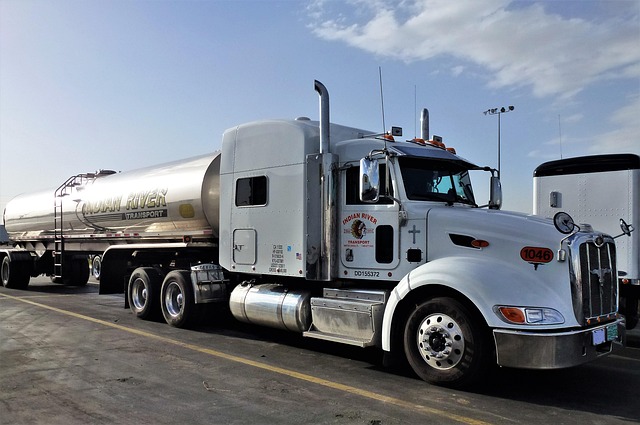
California’s Vehicle Identification Number (VIN) verification process is a critical step in the car registration procedure, ensuring vehicle authenticity and safety. VIN verification involves cross-referencing the unique 17-character VIN with state records to validate ownership, ensure proper registration, and confirm the vehicle’s compliance with safety standards. This meticulous process plays a pivotal role in maintaining California’s robust motor vehicle regulatory framework.
The state’s Department of Motor Vehicles (DMV) facilitates this verification through various methods, including traditional inspections at fixed locations and innovative mobile VIN inspection services. Mobile VIN verification, offered by authorized agents or specialized companies, provides convenience to California residents who may have limited access to DMV facilities. This service involves a professional inspector traveling to the vehicle’s location to perform the necessary checks, ensuring a hassle-free experience for busy individuals or those with special needs.
During a VIN inspection or verification, experts scrutinize various factors beyond the VIN itself. They examine the vehicle’s overall condition, looking for signs of fraudulent modification or repair, which could impact safety and compliance. For example, California has strict regulations regarding emissions control, and mobile VIN inspectors are equipped to check engine components and diagnostic systems to confirm proper functioning. This comprehensive approach ensures that only safe and legally registered vehicles hit the state’s roads.
Visit a California Department of Motor Vehicles (DMV) Office
To register your car in California, you’ll need to visit a DMV office, where our knowledgeable staff can guide you through the process. This crucial step involves several checks to ensure your vehicle meets all safety and environmental standards. One critical aspect of this process is Vehicle Identification Number (VIN) verification, which ensures the authenticity and history of your car. Many California residents opt for convenient services like mobile VIN inspection or a mobile VIN verifier to streamline this requirement.
When you arrive at a DMV office, bring your completed registration application, valid identification documents, proof of insurance, and your vehicle’s title (if applicable). Our agents will verify your information and perform a thorough VIN check using advanced systems. This digital verification cross-references your VIN against national databases to reveal crucial details about the car’s history, including previous owners, accident records, and outstanding liens. It’s essential to be transparent during this process as any discrepancies may delay registration or lead to further investigation.
In some cases, if there are issues with your vehicle’s history, such as an unrepaired structural damage claim, we may require additional documents or even arrange for a physical inspection by our mobile VIN inspection teams. These professionals can perform on-site checks using specialized equipment, ensuring accuracy and providing peace of mind. Many DMV locations offer these services to make the registration process more accessible and efficient for California drivers. Always ensure your car is in good standing with all required inspections before finalizing your registration to avoid potential delays or complications.
Complete the Registration Application and Fee Payment
To complete the registration process for your vehicle in California, you’ll need to fill out a Registration Application form (Form DV304) and submit it along with the required fees. This application is crucial as it verifies critical information about your car, ensuring compliance with state regulations. One essential component of this step is accurate Vehicle Identification Number (VIN) verification. You can facilitate this process by utilizing a mobile VIN inspection service, allowing you to obtain the necessary data quickly and efficiently.
The form requires detailed information such as the make, model, year, and type of your vehicle. It’s imperative to ensure these details match the specifications on the vehicle’s registration certificate and the car’s title. Additionally, you’ll need to provide proof of insurance and pass an emission test (if applicable). Fees vary based on the type of vehicle; refer to the California Department of Motor Vehicles (DMV) website for up-to-date rates. Payment can usually be made by credit card, check, or money order.
When completing the form, double-check all entered information for accuracy, especially the VIN. A mobile VIN verification service can help you in this process, as it provides a digital report confirming your vehicle’s details, including its history and any previous owners. This step is vital to avoid registration delays or issues later on. Once your application and payment are processed, the DMV will issue a new registration certificate, valid for a specified period (typically two years).
Verify Your Car's Title and Insurance Before Registration

Before you register your car in California, it’s crucial to verify both the vehicle’s title and insurance status to ensure a smooth process and avoid potential legal issues. The Vehicle Identification Number (VIN) plays a central role in this verification, providing unique information about the car’s history and specifications. A comprehensive VIN inspection is key, offering insights into the vehicle’s past ownership, accident records, and whether it meets California’s registration standards.
One effective method for this vin verification is through mobile services that conduct on-site inspections. Mobile vin inspection companies use specialized equipment to cross-reference your car’s VIN with extensive databases, revealing any discrepancies or issues. This service is particularly beneficial for California residents as the state requires a clean title and valid insurance before registration. For instance, a recent study found that approximately 10% of vehicles brought in for mobile vin verification had undisclosed damage, underscoring the importance of this step.
By availing yourself of these mobile vin verification services, you can proactively ensure your car’s documentation is accurate and up-to-date. This process not only simplifies registration but also helps protect you from potential fines or legal complications arising from inaccurate title or insurance information. Remember, a thorough VIN inspection is a critical step in the registration journey, ensuring your vehicle is eligible to hit California’s highways legally and safely.
Registering a car in California involves a meticulous process, from preparing essential documents to ensuring proper VIN verification. Key takeaways include the requirement for accurate and complete paperwork, such as proof of ownership and insurance. You must also undergo a rigorous VIN verification process, underscoring the state’s commitment to maintaining accurate vehicle records. Visits to a DMV office are necessary to complete applications and make fee payments. Before registration, verify your car’s title and insurance, emphasizing the need for seamless documentation. By following these steps and adhering to California’s standards, individuals can navigate the registration process efficiently, ensuring their vehicles are legally recognized and insured.