

“Learn how to register your car in California with our comprehensive guide. This step-by-step process ensures you meet all state requirements, from understanding crucial vehicle registration needs to submitting the necessary paperwork. A key part of the process involves performing a Vehicle Identification Number (VIN) verification, which we detail for your convenience. Discover different registration types and complete your application smoothly, ensuring your California vehicle is legally registered.”
- Understand California Vehicle Registration Requirements
- Gather Necessary Documents for Car Registration
- Perform VIN Verification: Steps and Importance
- Choose an Appropriate Registration Type in California
- Submit Application and Pay Fees for Car Registration
Understand California Vehicle Registration Requirements

Before registering your vehicle in California, it’s crucial to understand the state’s specific requirements. According to California law, all vehicles operated within the state must be properly registered and display current license plates. This includes cars, trucks, motorcycles, and recreational vehicles. Additionally, a Vehicle Identification Number (VIN) verification is mandatory for registration. The unique 17-character VIN acts as a digital fingerprint for your vehicle, ensuring its authenticity and history are accurately documented.
A key component of the process involves ensuring your vehicle meets all safety standards set by the California Department of Motor Vehicles (DMV). This includes emission tests and inspections to verify that your car is safe for road use. Several options exist to facilitate this verification, including a traditional DMV visit or utilizing a mobile VIN inspection service. Some services even provide on-site VIN verification, saving you time and effort.
Gather Necessary Documents for Car Registration
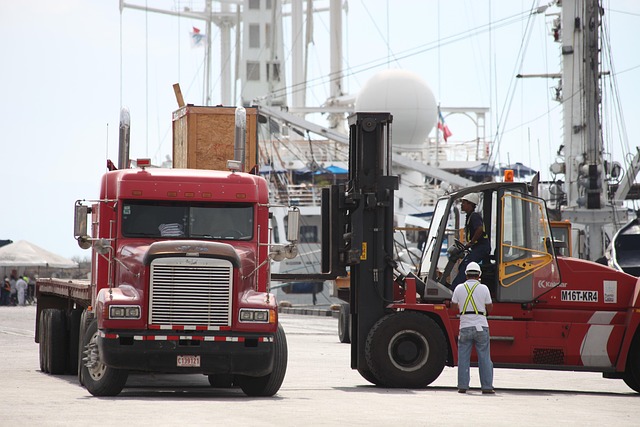
Before you begin the registration process, ensure you have all the required documents. In California, you’ll need to provide proof of ownership, such as a bill of sale or a vehicle title. Additionally, a valid driver’s license and insurance card are mandatory. The Vehicle Identification Number (VIN) is another crucial detail; this unique code can be found on the vehicle’s identification label, usually located near the driver’s side door. For convenience, many individuals opt for a mobile VIN inspection or verification service to streamline the preparation process.
Furthermore, you might require an odometer reading and any relevant registration history from previous states. It’s advisable to double-check with the California Department of Motor Vehicles (DMV) for an exhaustive list of documents, as specific cases may have additional requirements.
Perform VIN Verification: Steps and Importance
Performing a Vehicle Identification Number (VIN) verification is an essential step in the car registration process in California. This procedure ensures that the vehicle’s history and specifications match the information provided by the owner, which is crucial for maintaining accurate records and preventing fraud. The VIN is a unique code that identifies your car, much like a fingerprint, and it contains vital details such as the manufacturer, model year, and serial number.
To conduct a VIN verification, you’ll need to obtain a mobile vin inspection or use an online tool provided by the California Department of Motor Vehicles (DMV). The process typically involves entering your vehicle’s VIN into a database, which then cross-references it against official records. This step is particularly important when buying or selling a car, as it helps establish ownership and detect any potential issues like odometer rollback fraud. A valid and accurate VIN verification not only facilitates the registration but also ensures your vehicle’s safety and compliance with California’s regulations.
Choose an Appropriate Registration Type in California
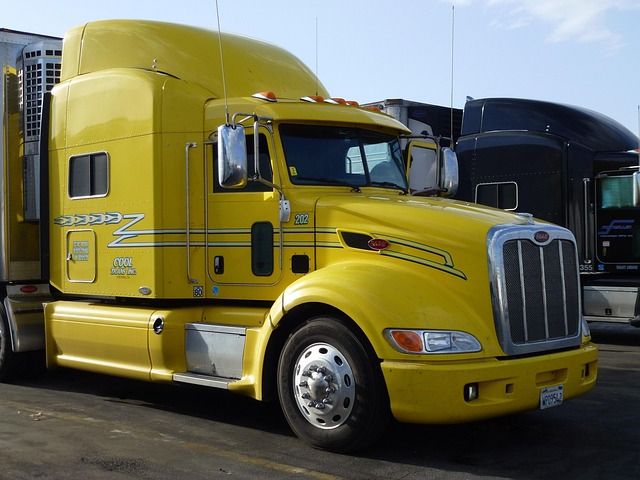
When registering your car in California, understanding the different registration types is key. The state offers various options tailored to specific vehicle categories and use cases. One essential step in this process is undergoing a VIN verification (Vehicle Identification Number) inspection to ensure the vehicle’s authenticity and history are clear. This is particularly crucial for importing vehicles or those with a previous owner, as it helps prevent fraud and ensures compliance with California’s regulations.
California provides options such as registration for private vehicles, commercial use, or specialized types like classic cars or motorhomes. For instance, if you’re a business owner considering a fleet of vehicles, there are dedicated registration processes to streamline the administrative burden. Even with the right registration type chosen, getting a mobile VIN inspection can simplify the process, allowing you to complete your vehicle’s registration from the comfort of your home or office.
Submit Application and Pay Fees for Car Registration

After completing your car purchase, it’s time to initiate the registration process with the California Department of Motor Vehicles (DMV). This involves submitting an application and paying the requisite fees. The first step is to ensure that the vehicle’s VIN (Vehicle Identification Number) is accurately verified. You can facilitate this through a mobile vin verification service, which provides a convenient and efficient way to confirm the vehicle’s identity and history.
Once your car’s VIN has been verified, you’ll need to prepare and submit your application, along with the necessary documentation and fees. This typically includes proof of ownership, identification, and possibly insurance details. The DMV will then process your request, issuing a registration certificate once all requirements are met.
Registering a car in California involves understanding specific requirements, gathering essential documents, and completing crucial steps like VIN verification. By following these guidelines, including choosing the right registration type and paying applicable fees, you can ensure a smooth process. Remember to keep your registration up-to-date for legal compliance and safety on California roads.