

Registering a car in California is a crucial step for any new or existing vehicle owner, ensuring legal compliance and personal protection. However, navigating the process can be challenging, with complex rules and varying requirements across regions. This comprehensive guide aims to demystify the registration procedure, equipping you with the knowledge to successfully navigate the California Department of Motor Vehicles (DMV) system. We’ll delve into every step, from gathering essential documents to utilizing reliable tools like the DMV VIN verifier to ensure a smooth and efficient experience.
- Gather Necessary Documents for Car Registration
- Prepare Your Vehicle's Identification Number (VIN) for Verification by DMV
- Choose a Registration Method: Online or In-Person at DMV
- Complete the California Car Registration Application Form Accurately
- Submit, Pay, and Receive Your California Vehicle Registration Papers
Gather Necessary Documents for Car Registration

To register your car in California, you’ll need to gather several crucial documents before visiting the Department of Motor Vehicles (DMV). One critical step is ensuring a proper vehicle identification number (VIN) inspection. This process verifies the authenticity of your car’s VIN, a unique code that identifies its make, model, and year. In California, you can conduct this inspection through a DMV-approved Vin verifier or even opt for a mobile vin inspection service. These methods ensure accuracy and save time.
A common practice is to use an online tool to perform a preliminary VIN check to gather essential details about your vehicle. This step acts as a foundational verification that your car meets the basic requirements for registration. Subsequently, you can schedule or conduct a physical inspection, which often involves a mobile vin verification service. These services bring the DMV’s resources directly to you, making it more convenient. For instance, some companies offer on-site inspections, especially useful if you’re dealing with a classic car or a vehicle with a complex history.
When preparing your documents, remember that California requires specific forms and fees for registration. Gather items like your driver’s license, proof of insurance, and the title to your vehicle (if applicable). Additionally, ensure you have the necessary paperwork from any previous registrations or emissions tests. Properly documenting these steps enhances the registration process, minimizing potential delays caused by incomplete applications.
Prepare Your Vehicle's Identification Number (VIN) for Verification by DMV
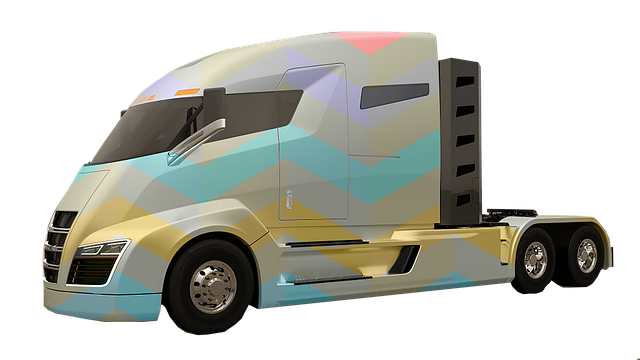
Before you can register your car in California, it’s crucial to ensure your vehicle meets all necessary standards and requirements. A key step in this process is preparing your Vehicle Identification Number (VIN) for verification by the DMV. This involves accurately documenting and presenting your VIN during the registration process. The California Department of Motor Vehicles (DMV) relies on a robust VIN verifier to cross-reference and validate each vehicle’s information, ensuring compliance with safety and emissions standards.
Many owners opt for mobile VIN verification services or utilize specialized tools for a seamless inspection process. These methods allow you to capture your VIN digitally and transmit it securely to the DMV, enhancing efficiency and accuracy. For instance, professional mobile VIN verifiers can quickly scan and validate your vehicle’s information, providing instant feedback on any discrepancies. This proactive approach not only saves time but also reduces potential delays or rejections during registration.
To streamline the process, gather all relevant documentation and ensure your VIN is legible and error-free. A clear and accurate VIN is essential for successful mobile vin verification or traditional inspection by a DMV official. Verify that your vehicle’s identification number is free from any alterations or damage, as this could impact the registration outcome. By preparing your VIN in advance, you demonstrate preparedness and set yourself up for a smooth car registration experience in California.
Choose a Registration Method: Online or In-Person at DMV
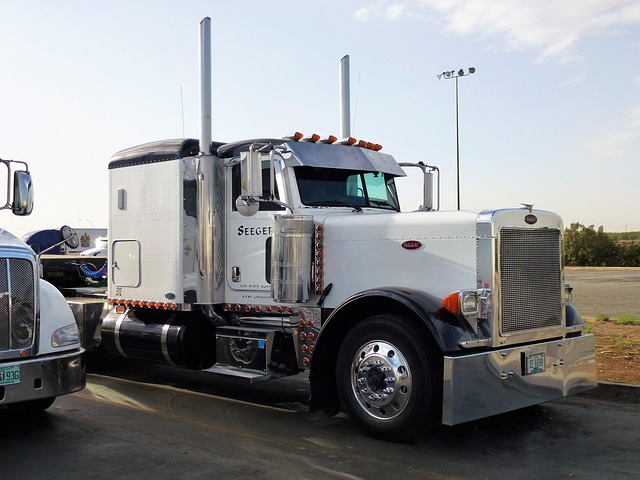
Registering a car in California involves several steps, one of which is choosing between online or in-person registration at the Department of Motor Vehicles (DMV). The former offers convenience and speed, while the latter provides an opportunity for personalized assistance. Online registration is ideal for those comfortable with technology, as it requires a clear vehicle identification number (VIN) from your car’s registration certificate or title document. Inputting this VIN into the DMV’s online system allows them to verify its authenticity and ensure there are no outstanding issues.
For instance, using a mobile vin verifier can streamline the process by providing instant, accurate data on a vehicle’s history, including accident reports, odometer readings, and service records. This digital approach reduces paperwork and waiting times, making it popular among busy individuals. Conversely, in-person registration is suitable for those who prefer face-to-face interaction or have complex situations requiring manual verification by DMV staff. They’ll conduct a VIN inspection to confirm the vehicle’s details against their records.
Regardless of the method chosen, having accurate and up-to-date information is crucial. Many people opt for mobile vin verification services beforehand as a preliminary check, which can then be used to expedite the official registration process at the DMV. Always ensure your vehicle meets California’s safety and emissions standards to avoid delays or penalties during registration.
Complete the California Car Registration Application Form Accurately

Registering a car in California involves completing several steps, and one of the crucial aspects is accurately filling out the California Car Registration Application Form. This form is your gateway to legal ownership of your vehicle within the state. Here’s a step-by-step guide to help you navigate this process seamlessly.
Ensure every detail is correct and up-to-date. The form requires specific information such as your personal data, vehicle details (including the Vehicle Identification Number or VIN), and registration history. One critical component is the VIN inspection, which verifies the vehicle’s identity and its compliance with safety standards. You can facilitate this process through a mobile VIN verification service, making it convenient and efficient. For instance, many DMV locations now accept mobile VIN verifiers, allowing you to complete this step before submitting your application.
Double-check that all information is accurate and matches the records at the California Department of Motor Vehicles (DMV). Inaccurate data can lead to delays or even rejection of your registration request. If you’re unsure about any section, consult the official DMV guide or seek assistance from a knowledgeable professional. Remember, an error as simple as an incorrect license plate number can cause significant setbacks in the registration process.
Consider using digital tools for VIN inspection and data management to streamline the entire process. Mobile VIN verifiers not only save time but also enhance accuracy. These tools often provide real-time data checks, ensuring your application aligns with current regulations. By combining meticulous attention to detail with modern technology, you can efficiently navigate the California car registration process and hit the roads legally and confidently.
Submit, Pay, and Receive Your California Vehicle Registration Papers

After completing the necessary forms for registration at a California Department of Motor Vehicles (DMV) office or online, the next step in the process is to submit, pay, and receive your vehicle registration papers. This crucial phase involves several key actions that ensure your car’s legal status on California roads.
Submission begins with ensuring all required documents are prepared, including proof of insurance, a completed title transfer (if applicable), and identification. Some residents opt for the convenience of using a mobile VIN verifier to initiate this process remotely. A mobile VIN inspection allows you to verify your vehicle’s history, including its previous owners and maintenance records, from the comfort of your home or office. This digital approach streamlines initial checks, making it an attractive option in today’s digital era. Once submitted, the DMV conducts a thorough vin inspection to validate the vehicle’s authenticity and identify any potential issues.
Payment for registration fees is typically made at the time of submission. The cost varies based on your vehicle type and age, with newer models often incurring higher fees. After processing, the DMV will generate your California vehicle registration papers, officially registering your car in the state. These documents are then mailed to the registered owner, providing legal proof of registration and insuring the vehicle for California roads. It’s important to keep these records up-to-date and readily accessible, as they may be required during future vehicle transactions or inspections.
Registering a car in California involves a straightforward process that requires careful preparation and accurate documentation. Key insights include gathering essential papers like proof of insurance and vehicle ownership, ensuring your Vehicle Identification Number (VIN) is ready for verification by the DMV vin verifier, and selecting the most convenient registration method—either online or in-person. Accurately completing the California Car Registration Application Form is paramount to avoid delays. After submission and payment, you’ll receive your official vehicle registration papers, allowing you to legally operate your car within the state. By following these steps and staying organized, individuals can efficiently navigate the car registration process, ensuring their vehicles are properly registered and roadworthy.